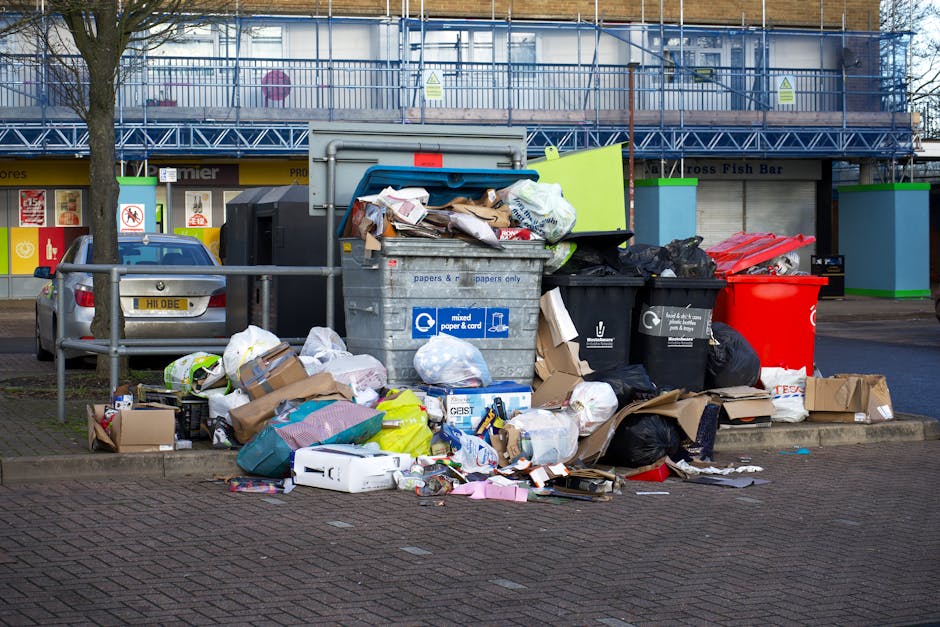
Shepherds Bush W12 guide to rubbish removal near Westfield

If you are dealing with a flat clear-out, post-renovation mess, broken furniture, or a garden pile-up, the Shepherds Bush W12 guide to rubbish removal near Westfield is here to make the whole thing feel a lot less faffy. Around Westfield, time is tight, parking can be awkward, and waste needs to be handled properly. That combination catches people out more often than you'd think.
This guide explains how rubbish removal works locally, what your options are, when a skip makes sense, when a man and van service is the better shout, and how to avoid the common mistakes that lead to delays or extra charges. In plain English. No fluff, no nonsense.
You will also find practical comparisons, a step-by-step process, a useful checklist, and a realistic look at compliance and disposal best practice in the UK. If you just want a quick answer: the right solution depends on access, waste type, volume, and how fast you need it gone. Simple enough - but the detail matters.
Why Shepherds Bush W12 guide to rubbish removal near Westfield Matters
Westfield London brings energy, foot traffic, deliveries, and constant movement. That is great for shopping and business, but less great when you are trying to get rid of waste from a flat, shop, office, or building project nearby. Roads can be busy, loading spaces are limited, and not every property has easy rear access. If you live or work in W12, rubbish removal is rarely just about "taking stuff away". It is about timing, access, permissions, and making sure the waste goes to the right place.
People often underestimate how much waste builds up. A room refresh turns into half a van of old furniture. A bathroom update produces rubble, packaging, and tiles. A loft tidy becomes a small mountain of cardboard, lamps, broken bits, and the kind of mystery items nobody wants to name. Truth be told, it all looks manageable until the hallway starts filling up.
That is why choosing the right rubbish removal method matters. The wrong one can lead to blocked access, missed collections, permit problems, or waste sitting outside longer than you planned. The right one keeps things moving, especially if you need work done before a delivery, a letting changeover, or a weekend deadline.
For many households, a sensible place to start is a local service like rubbish removal in Shepherds Bush, then compare it with skip hire or a wait-and-load option depending on your site conditions. If your waste is from building work, you may also want to look at builders waste removal or construction waste disposal.
How Shepherds Bush W12 guide to rubbish removal near Westfield Works
Rubbish removal is usually straightforward once you know the workflow. Most services follow a version of the same process: identify the waste, estimate the volume, agree the collection method, load the items, then transport everything to an appropriate facility for sorting, recycling, or disposal. The details differ a bit between providers, but the bones of it are much the same.
In Shepherds Bush, there are usually three main approaches:
- Man and van collection for flexible loading, awkward access, mixed household waste, and quick clearances.
- Skip hire for projects that create waste over time, such as renovations, garden work, or longer clean-ups.
- Wait and load for fast jobs where you do not want a skip left on the street or in a tight access spot.
If your waste is bulky but not necessarily huge in volume, a vehicle-based collection can be the neatest option. If your rubbish is building up over several days, skip hire may be better. And if space near Westfield is too tight for a skip, wait-and-load can save you a lot of stress.
The local environment matters more than many people realise. Near busy retail areas, collection timing can make the difference between a smooth job and a frustrating one. Early morning or mid-afternoon slots may work better than the busiest travel windows. Not glamorous, I know, but very real.
It also helps to understand the difference between waste streams. Mixed general rubbish, green garden waste, heavy rubble, electrical items, and confidential paper all need different handling. For example, business customers often need commercial skip hire or office clearance, while households may prefer domestic skip hire or a direct collection service.
Key Benefits and Practical Advantages
The main advantage of proper rubbish removal is obvious: your space becomes usable again. But there are several other benefits that people sometimes miss.
- Less disruption: A fast collection keeps hallways, driveways, or shopfronts clear.
- Better access management: This is especially useful around busier Shepherds Bush roads where parking is never exactly generous.
- Safer working conditions: Loose rubble, sharp timber, old appliances, and piled bags all create trip risks.
- Improved recycling potential: Sorting waste properly gives more material a chance to be reused or recycled.
- More predictable timing: A booked collection often fits around your schedule better than doing multiple tip runs.
- Cleaner handover: Important if you are moving out, selling, letting, or finishing a commercial refurb.
A good waste plan also helps you avoid over-ordering the wrong solution. For example, if you only have a few bulky items, a full skip may be more than you need. On the other hand, if you have repeated loads from a refit, a van collection repeated two or three times can become clunky and expensive. The trick is matching the method to the reality on site, not the idea of the job in your head.
There is also peace of mind in using a provider with a proper disposal process. If you care about sustainability, ask how items are sorted and where recyclable material is directed. A lot of the value is invisible to the customer, which is fair enough, but it still counts.
For waste that includes awkward or specialist items, the right service page can help you narrow it down. Think fridge and appliance removal, mattress and sofa disposal, or garden waste removal depending on what you have.
Who This Is For and When It Makes Sense
Rubbish removal near Westfield is useful for a wider range of people than you might expect. It is not only for builders in hard hats or landlords doing major overhauls.
It makes sense for:
- Homeowners doing spring cleans or moving house.
- Tenants clearing a flat before checkout.
- Landlords dealing with leftover furniture or bulky junk.
- Shop owners or managers refreshing a retail unit.
- Office teams replacing furniture or archive material.
- Tradespeople needing fast clearances from a small job.
- Gardeners and DIYers with a growing pile of waste.
If you are unsure whether you need rubbish removal or skip hire, ask yourself three questions: How much waste do I actually have? Do I have space for storage? Can I load everything quickly? The answers usually point you in the right direction.
For example, a family emptying a loft over a weekend may be better off with a van collection because items can be moved straight out. A builder removing brick, plaster, and timber from a refurb may want builders skip hire or a more flexible collection method such as grab hire services. Different job, different tool.
If you are in a commercial setting, do not overlook office clearance or commercial skip hire when dealing with desks, screens, packaging, paper, and old fixtures. Small decisions here can save a whole lot of back-and-forth later.
Step-by-Step Guidance
- List the waste you need removed. Separate bulky items, rubble, green waste, electrical items, and anything confidential. Even a rough list helps.
- Estimate the amount. Is it a few items, a roomful, or a full property clear-out? Volume is one of the biggest factors in choosing the right service.
- Check access carefully. Think about stairs, narrow hallways, loading bays, rear lanes, and parking restrictions near Westfield.
- Decide between collection methods. Compare rubbish removal, skip hire, wait-and-load, or grab hire based on space and timing.
- Confirm any restricted materials. Do not mix in items that need specialist disposal.
- Book a slot that suits the site. If the area gets busy, choose a time that avoids peak disruption where possible.
- Prepare the waste in advance. Bag smaller items, separate fragile materials, and keep access clear.
- Supervise loading if needed. A few minutes of presence can prevent confusion about what goes and what stays.
- Check the area afterwards. Look for stray screws, broken glass, or packaging bits. The tiniest things love to hide in corners.
That sequence sounds simple, and mostly it is. The part that people trip over is the access check. A service can be perfectly suitable in theory, then awkward in practice because there is nowhere to park, unload, or turn around. In Shepherds Bush, that is not a rare problem. It is the problem.
If your job is speed-sensitive, the same checklist still applies, but you will want to look at same day skip hire or a quicker turnaround option through wait and load skip hire. For many urgent clearances, that little bit of planning is what keeps the day on track.
Expert Tips for Better Results
Here are the things that make a real difference on the day, based on the kind of jobs that tend to go smoothly versus the ones that turn into a bit of a saga.
- Separate heavy waste early. Rubble, soil, and mixed building waste are easier to manage when they are not buried under lightweight rubbish.
- Keep one access route free. It saves time and reduces the chance of bumping walls or blocking the landing.
- Don't overfill containers or piles. Overloading can slow collection and make lifting unsafe.
- Tell the provider about unusual items. A mattress, appliance, safe, or locked box may need different handling.
- Have a backup plan for parking. Especially near busy retail areas where "I'll just pull in for five minutes" is rarely a reliable strategy.
- Use the right disposal route for the right waste. It keeps recycling higher and complications lower.
A small but useful trick: photograph the waste before booking. It helps you judge volume honestly. We all underestimate rubbish. Everyone does. That one corner in the garage? Somehow it becomes three bags, a shelf, a broken chair, and an old vacuum you forgot existed.
If you want to avoid tricky items causing delays, read the guidance on what can go in a skip and use that knowledge as a rough sorting filter before collection. It makes everything smoother, even if you are not actually hiring a skip.
Common Mistakes to Avoid
Most rubbish removal issues come from a small number of avoidable mistakes. The good news is they are easy enough to spot once you know what to look for.
- Choosing the service before checking access. A van cannot magically fit where a vehicle cannot safely stop.
- Mixing waste types blindly. Mixed loads can be fine, but some items need separate handling.
- Forgetting about permits or street placement. If you are putting anything on the highway, check whether permissions are needed.
- Underestimating the volume. A job that looks small can grow fast once cupboards and corners are emptied.
- Leaving collection until the last minute. Especially around moves, refurb deadlines, and end-of-tenancy timelines.
- Ignoring specialist waste rules. Hazardous material should not be bundled in with general rubbish.
A frequent one is people assuming every service works the same. It does not. For instance, skip hire is practical if you have space and time, while man and van suits quicker, more direct clearances. If your property is tight for space, enclosed and lockable skip hire can be useful where extra protection is needed, though it is not the answer for every job.
Also, do not leave sensitive paperwork mixed into general waste if you can avoid it. Offices and home workers alike should think about confidential shredding early rather than as an afterthought. That little step prevents a lot of unnecessary worry.
Tools, Resources and Recommendations
You do not need a toolbox full of specialist gear to organise rubbish removal well. A few simple things make the process cleaner and safer.
- Heavy-duty bin bags for small loose waste.
- Gloves for handling sharp or dusty materials.
- Labels or tape to separate items that should not be mixed.
- Measuring tape if you need to estimate access width or bulky item size.
- Phone camera for quick waste photos before booking.
- Boxes or crates for papers, small fixtures, and breakables.
For service planning, these pages are especially useful: skip sizes and prices if you are comparing capacities, pricing and quotes if you want a clearer idea of budgeting, and waste recycling services if sustainability matters to your project.
If your job is tied to a garden refresh, garden waste removal is a neat fit. If you are clearing a loft or garage, garage and loft clearance may be more appropriate than generic collection. And for one-off domestic jobs, domestic skip hire can sometimes be the most practical route.
One more thing: if the job involves potentially hazardous materials, do not guess. Use the right route from the start, whether that is specialist hazardous waste disposal or another controlled method. Better cautious than sorry.
Law, Compliance, Standards and Best Practice
Waste removal in the UK is not just a practical matter; it also carries responsibility. You do not need to memorise legislation to make a sensible decision, but you should know the broad principles.
First, duty of care matters. If you produce waste, you should use a reputable carrier and make reasonable checks that waste is handled properly. That is especially important for businesses, landlords, and tradespeople. Second, some items cannot be treated as ordinary rubbish and may need separate handling. Third, road placement, access, and local parking controls can affect how a collection is carried out.
Good providers will also work to clear internal standards around safety, handling, and security. If you are comparing services, it is worth looking at pages like health and safety policy, insurance and safety, terms and conditions, and payment and security. These are the boring bits, yes, but boring bits keep jobs safe and predictable.
If sustainability is part of your decision, it is sensible to ask how much waste is recycled and what happens to reusable materials. A proper recycling and sustainability approach is a sign that the service is thinking beyond the quickest dump-and-run. That matters to plenty of customers in W12, especially where refurb and clear-out work produces a very mixed load.
And if anything about the job seems unusual, ask first. The safest jobs are the ones where the details are clear before the van arrives. Simple as that.
Options, Methods, or Comparison Table
Below is a practical comparison of the main rubbish removal approaches near Westfield. The "best" one is the one that fits your space, timing, and waste type.
| Method | Best for | Strengths | Limitations |
|---|---|---|---|
| Rubbish removal / man and van | Bulky items, mixed waste, flat clearances, quick jobs | Flexible, fast, suitable for awkward access | Less ideal for waste created over many days |
| Skip hire | Projects with ongoing waste, DIY, renovations, garden jobs | Handy for continuous loading, often good value for volume | Needs space, may require permit if on the road |
| Wait and load | Busy streets, no storage space, short loading windows | No need to keep a skip on site, quick turnaround | Requires you to be ready when the vehicle arrives |
| Grab hire | Heavy waste, large piles, soil, rubble, site clearances | Efficient for bulky loose material, good reach | Needs access and room for the vehicle's reach |
If you are still unsure, here is the short version: use rubbish removal for convenience, skip hire for ongoing work, wait and load for tight urban access, and grab hire when the pile is heavy or awkward. That usually gets you to the right answer faster than overthinking it for three days straight.
For building-related jobs, it may help to compare builders waste removal with construction waste clearance or demolition waste removal. The differences are small in one sense, but very important in practice.
Case Study or Real-World Example
Picture a common Shepherds Bush scenario. A couple near Westfield are moving out of a two-bedroom flat and the landlord wants it cleared before the next tenant viewing. There is a sofa, a broken bed frame, a few bags of clothes, kitchen bits, and a tiny avalanche of cardboard. The building has a narrow entrance, no lift, and the street outside gets busy quickly after breakfast.
They first consider a skip, but parking and access make that messy. A neighbour has already warned them that loading bays nearby disappear fast. So they choose a van-based collection instead. The team arrives, checks the items, loads the bulky furniture first, then works through the bags and cardboard. The whole thing is done without leaving a skip outside for two days or blocking the entrance. Everyone breathes easier.
Now imagine the same kind of job, but with a home renovation twist. A bathroom refit has created tiles, plasterboard, packaging, and a couple of old fittings. In that case, a wait and load or skip hire solution may suit better, because the waste arrives in stages and the job runs longer. Same neighbourhood, same postcode, different answer. That is the part people often miss.
Not every situation needs a big setup. Sometimes you just need someone to turn up, work neatly, and make the mess disappear before the afternoon rush. Lovely when it happens, honestly.
Practical Checklist
Use this checklist before you book rubbish removal near Westfield.
- Identify all waste types clearly.
- Separate general waste from rubble, green waste, appliances, and confidential material.
- Measure bulky items if access is tight.
- Check whether parking or loading restrictions may affect collection.
- Decide whether rubbish removal, skip hire, wait and load, or grab hire is most suitable.
- Review any items that need special handling.
- Take photos if you are comparing quotes.
- Confirm the time window and make sure someone can answer access questions.
- Clear the route from the waste to the collection point.
- Keep children, pets, and bystanders away from the loading area.
- Ask about recycling and disposal handling.
- Read the provider's policies if you want extra reassurance.
If you can tick most of those off, you are already ahead of the average customer. And that is not a bad place to be at all.
Conclusion
Rubbish removal near Westfield in Shepherds Bush W12 works best when it is matched to your space, your waste, and your timing. The main choice is not just "how do I get rid of this?" but "which method will get it done cleanly, safely, and without drama?" Once you think that way, the decision becomes much easier.
For some jobs, a fast collection service is the right call. For others, skip hire, grab hire, or a wait-and-load approach makes more sense. The best choice is usually the one that respects the quirks of the area: busy roads, tight access, shared entrances, and deadlines that do not care whether it is raining at 8 a.m.
Keep the process simple, be honest about the volume, and do not leave the disposal plan until the last minute. A little preparation goes a long way.
Get a free quote today and see how much you can save.
When the job is done well, the space feels lighter straight away. Quiet, clear, ready for whatever comes next. That is the real win.
Frequently Asked Questions
What is the best rubbish removal option near Westfield in Shepherds Bush W12?
The best option depends on access, volume, and timing. For bulky items and quick clear-outs, a van-based rubbish removal service is often the easiest choice. For ongoing work, skip hire or wait-and-load can be better.
Do I need a skip permit in Shepherds Bush?
If a skip is placed on the public highway, a permit may be needed. If it stays entirely on private land, a permit may not be required. Check the placement carefully before booking.
Is rubbish removal faster than skip hire?
Often, yes. If you want waste gone in one visit and you do not want a skip left on site, rubbish removal can be quicker. But if you are clearing waste over several days, a skip may be more practical.
Can I mix different types of waste together?
Sometimes you can, but not always. General waste, garden waste, rubble, appliances, and hazardous items may need separate handling. Sorting in advance usually helps.
What items are commonly removed from Shepherds Bush homes?
Typical items include sofas, mattresses, wardrobes, broken furniture, cardboard, appliances, bags of household rubbish, loft clutter, and garden waste.
Is same-day rubbish removal available?
It can be, depending on availability and the size of the job. If you are working to a deadline, it is worth asking early and being ready with clear waste details.
What happens to the rubbish after collection?
It is usually transported for sorting, recycling, recovery, or disposal depending on the material. Good providers aim to divert as much as possible away from landfill where practical.
How do I know whether I need a skip or a man and van service?
If you have space and your waste will build up over time, a skip may suit. If access is tight, parking is awkward, or you want everything removed in one go, a man and van service may be better.
Can appliances like fridges and freezers be collected?
Yes, but they are usually handled separately because they need specialist treatment. A dedicated appliance removal service is often the simplest route.
What should I do with confidential paperwork?
Keep it separate and use a confidential shredding service rather than mixing it into general rubbish. That is the safer, cleaner choice for homes and businesses.
Is rubbish removal suitable for builders and trades?
Absolutely. For builders, tradespeople, and refurbishment projects, options like builders waste removal, construction waste disposal, builders skip hire, or grab hire are often more suitable than standard household clearance.
How can I get a more accurate quote?
Take photos, list the waste types, mention access issues, and estimate whether the job is small, medium, or large. Clear information usually leads to a clearer quote.