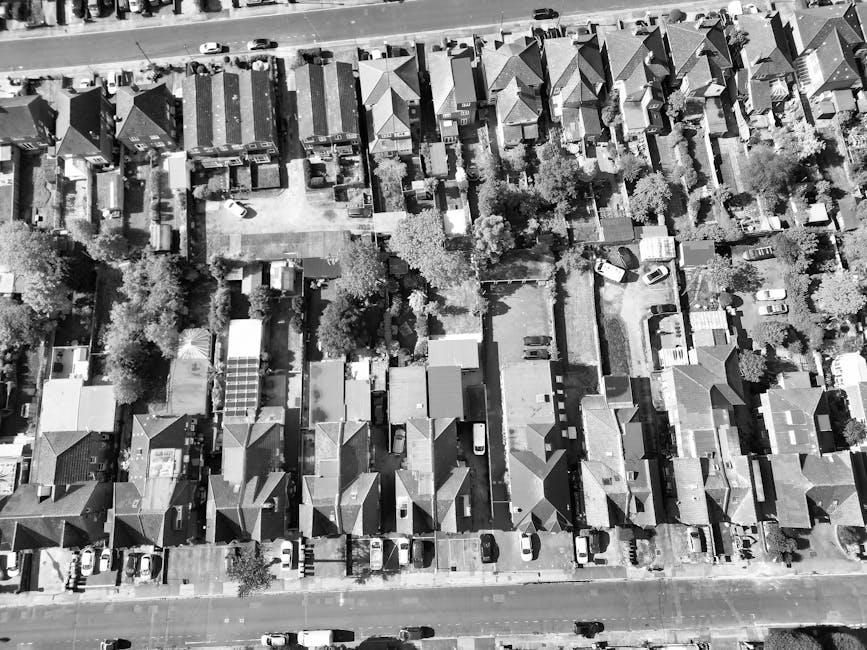
Rubbish collection tips for Goldhawk Road flats and estates

Living in a flat or managed estate near Goldhawk Road can make rubbish collection feel oddly complicated. One small household clear-out can turn into bags in hallways, blocked bin stores, noisy lifts, and a smell that seems to linger by the stairwell all afternoon. If that sounds familiar, you are in the right place. This guide on Rubbish collection tips for Goldhawk Road flats and estates pulls together practical, local-minded advice for residents, landlords, agents, and estate managers who want waste removed neatly, safely, and without upsetting the neighbours.
We will walk through how collection actually works in shared buildings, what problems to plan for, which disposal methods suit different situations, and how to avoid the usual headaches. You will also find a checklist, a realistic example, and a comparison of options so you can choose the least stressful route. To be fair, in dense London housing, a little planning saves a lot of drama.
Why Rubbish collection tips for Goldhawk Road flats and estates Matters
Shared buildings are a different world from a house with a private drive. In a flat block or estate, one untidy disposal decision can affect everyone: residents, cleaners, caretakers, managing agents, and delivery access. The waste itself is only part of the issue. The real pain points are usually access, timing, storage, and accountability.
Goldhawk Road and the streets around it have a mix of older mansion blocks, modern apartment buildings, and estate-style developments. That means narrow entrances, limited kerb space, bin rooms that fill faster than expected, and residents who all want the same corridor clear at the same time. When rubbish collection is handled badly, you get obstruction, complaints, and sometimes an avoidable cost spike. When it is handled well, the whole building feels calmer. Simple as that.
It also matters because waste is not just something to hide away. Recycling, safe handling, and responsible disposal all affect the wider local environment. A good collection plan helps reduce contamination in recycling bins, keeps fire escape routes clear, and lowers the chance of fly-tipping or overflow. For property managers, that is not a small thing.
Expert summary: In flats and estates, rubbish removal works best when you treat it as a building process, not a last-minute chore. Plan access, separate waste streams, and choose a collection method that suits the layout. That is where most of the savings, and sanity, come from.
How Rubbish collection tips for Goldhawk Road flats and estates Works
In practice, rubbish collection in shared housing usually falls into one of three patterns. First, there is routine domestic waste taken to bin stores or communal bins. Second, there is one-off bulky waste or household clear-out material that needs a dedicated collection. Third, there is larger-scale waste from refurbishments, void works, or estate maintenance. Each one needs a slightly different approach.
The first step is always the same: identify what you are removing. Cardboard, black bag waste, furniture, broken appliances, garden cuttings, and DIY rubble all behave differently. That matters because the safest and most economical solution may be a standard collection, a wait-and-load service, a skip, or a van-based removal. If you are dealing with mixed waste, choosing the right method early keeps the job clean and avoids a second trip.
Access is the second big factor. Can a vehicle get near the building? Is there a lift? Are there door codes, loading windows, or concierge rules? If a crew has to carry everything down four flights of stairs and along a narrow service yard, the plan changes. Sometimes the best option is wait and load skip hire, because the waste is loaded quickly without leaving a container behind. Other times, man and van collection is easier for smaller loads and awkward access.
For bigger clean-outs, you may want a more structured option such as domestic skip hire or rubbish removal, depending on whether the waste can be stored safely on-site. If the project involves building work, then the waste type and volume can point you towards builders waste removal or a related construction service instead.
One small but important detail: shared buildings often need permission before anything is placed in a communal area. Estates can be stricter than private streets, and for good reason. If you are unsure about a placement, ask first. It saves awkward conversations later. And yes, the caretaker will notice if bags appear magically overnight.
Key Benefits and Practical Advantages
Good rubbish collection is not just about getting rid of things. It changes how a building feels and functions. The most obvious benefit is space. Hallways stay clear, bin stores do not turn into a jammed-up mess, and residents can actually use shared areas as intended.
There is also the hygiene angle. Overflowing waste attracts pests, creates odours, and can become a slip or trip hazard if bags split. In estates where foot traffic is constant, that risk climbs quickly. Keeping waste contained and removed on a sensible schedule is a small operational habit with a big impact.
Another benefit is neighbour harmony. Shared buildings magnify irritation. One rogue mattress in the corridor can trigger a week of complaints. When collection is planned properly, you reduce friction before it starts. That is worth a lot, honestly.
Here are the practical wins most people notice:
- Cleaner common areas and safer fire escapes
- Fewer complaints from residents and managing agents
- Better recycling performance and less contamination
- Less handling time for caretakers and contractors
- Reduced risk of fines, penalties, or wasted call-out fees
- More predictable timelines for clear-outs and refurbishments
For landlords and block managers, the financial benefit is often indirect. Waste handled efficiently means fewer repeat visits, less damage to shared areas, and fewer hours spent chasing residents. That is the bit people underestimate. The cheapest collection on paper is not always the cheapest in reality.
Who This Is For and When It Makes Sense
This guidance is especially useful if you are a tenant, leaseholder, landlord, managing agent, concierge, caretaker, or tradesperson working in Goldhawk Road flats and estates. It is also helpful for anyone helping an older relative clear a flat, or for residents preparing for a move. If you have ever thought, "Where on earth is this sofa supposed to go?" then yes, this is for you.
The right collection method depends on the job. A single broken fridge is very different from a full estate hallway clear-out. A few bulky items from a second-floor flat may be fine for a van collection, while a strip-out from a refurb project may call for a skip or grab service. If the access is awkward or the job must happen quickly, a same-day solution can be useful, especially when you are trying to avoid clutter in a block with limited storage.
Commercial or mixed-use estates may need a more regular approach, especially where shops, offices, or shared service areas generate waste alongside residential bins. In those cases, commercial skip hire can make more sense than ad hoc removal because volumes are steadier and the need for collection is ongoing.
And if the issue is not just rubbish but a whole flat clearance after a tenancy or probate situation, then house clearance may be the more sensible route. Truth be told, the "right" solution usually depends less on the item itself and more on how the building works.
Step-by-Step Guidance
If you want a collection process that goes smoothly, use a simple sequence rather than improvising on the day. Here is a practical approach that works well in flats and estates.
- Sort the waste by type. Keep general rubbish, cardboard, bulky items, electricals, and any special waste separate where possible.
- Check access rules. Look at loading hours, parking restrictions, concierge requirements, lift size, and any estate management conditions.
- Measure the volume. Estimate how many bags, boxes, or bulky pieces you have. A quick count is usually enough to narrow the best option.
- Remove anything restricted. Some items need specialist handling. For example, fridges and some appliances may need dedicated disposal, while certain hazardous materials require specific care.
- Choose the collection method. Decide between skip hire, van removal, wait-and-load, or a specialist service based on space and urgency.
- Book a time window that suits the building. Early mornings or quieter midday periods are often easier, though every estate is different.
- Prepare the path. Clear the route from flat to exit so collection is quick and does not disturb neighbours more than necessary.
- Confirm the final handover. Make sure the waste is collected, the area is left tidy, and any paperwork or confirmation is kept for records.
If you are arranging collection for a larger household or an empty flat, it may be helpful to look at what can go in a skip before you decide. That single check can prevent a lot of awkward surprises at pickup time.
A small tip from experience: put the hardest-to-move items near the exit last, not first. Otherwise they end up blocking everything else and turning the job into a shuffle. Not ideal at 8 a.m. with a neighbour waiting for the lift.
Expert Tips for Better Results
The first expert tip is to keep waste predictable. Mixed piles become messy piles. If you can separate cardboard, general waste, and bulky items, the collection is usually quicker and sometimes more cost-effective. Even a rough separation helps.
Second, protect shared surfaces. In a stairwell or lobby, one ripped bag can leave marks or smells that are hard to shift. Use sturdy sacks, tie them securely, and avoid overfilling. That one sounds obvious, but let's face it, people still do it all the time.
Third, think about noise and timing. Wheelie bins dragged across paving slabs at dawn can upset half the building. Heavy items should be moved at sensible times where possible, and if you are using a contractor, ask them to plan the collection around resident movement patterns. You will notice fewer complaints when the building feels respected.
Fourth, choose the service to match the access. If there is nowhere safe to place a skip, or the driveway cannot take one, then alternatives such as grab hire services or grab lorry hire may be more practical. They can suit larger clearances where a vehicle can reach the material but not stay parked for long.
Fifth, for sensitive items, do not guess. Office paperwork, tenancy files, and other personal documents should be destroyed or handled carefully. If privacy matters, confidential shredding is a smarter choice than tossing paper in with general waste.
Finally, keep a simple record of what was removed and when. It helps with landlord handovers, estate reporting, and cost queries. Nothing fancy. A note in your phone is often enough.
Common Mistakes to Avoid
Most rubbish collection problems in flats and estates come from a small set of repeat mistakes. The first is leaving everything until the last minute. That often means panic booking, poor access planning, and waste piled in a hallway because there is nowhere else for it. The second is assuming one collection method works for every job. It does not.
Another common issue is ignoring restricted items. Appliances, mattresses, old furniture, plasterboard, soil, and anything potentially hazardous may need different handling. If you mix them together blindly, the collection may be delayed or rejected. A little sorting saves a lot of back and forth.
People also underestimate communal sensitivity. In a flat block, waste left near an entrance is not just inconvenient; it can become a visible nuisance very quickly. One resident's "I'll move it tomorrow" can become everyone else's problem by lunchtime. And nobody enjoys that email thread.
Here are the mistakes worth avoiding most:
- Placing waste in fire exits, corridors, or shared entrances
- Guessing the volume and ordering the wrong size or type of service
- Mixing recyclable and non-recyclable waste without checking local arrangements
- Forgetting building access rules or permit requirements
- Ignoring odour, pest, or slip hazards in shared bin areas
- Using the cheapest option without checking whether it suits the building layout
One more subtle mistake: people sometimes focus on removal but forget the return journey. If the collection leaves broken bits behind, dust, or packaging, the area still looks untidy. A proper handover includes tidying up the little scraps too.
Tools, Resources and Recommendations
You do not need a van full of gadgets to manage rubbish well in Goldhawk Road flats and estates. Still, a few simple tools make the job easier. Strong refuse sacks, labels or marker pens, gloves, a tape measure, and a notepad for access details go a long way. If you are organising a larger clear-out, a trolley sack truck can save your back and cut the time spent carrying items downstairs.
For collections involving larger or awkward loads, it helps to compare disposal methods before booking. If the waste is bulky but the site is tight, enclosed and lockable skip hire may be useful where security matters. If the issue is time pressure rather than volume, same day skip hire can be a practical fallback.
For residents who want a more hands-off service, man and van is often ideal for one-off collections, especially when there are stairs, lifts, or awkward parking. If the estate has enough space and you want to keep waste contained over a longer period, skip hire remains a reliable option.
If you are comparing prices or trying to choose a skip size, the pages on skip sizes and prices and pricing and quotes can help you think through the practical side without guessing. And if you need a quick overview of the company's approach to sorting and reuse, recycling and sustainability is worth a look.
Law, Compliance, Standards, or Best Practice
Waste collection in London is not something to treat casually. Even when the job looks small, you still want to follow normal UK duty-of-care principles: keep waste controlled, use a suitable carrier, and avoid leaving material in a way that causes hazard or nuisance. If you are managing a building, you also need to think about communal safety and access. That includes keeping walkways, fire routes, and bin stores clear.
For estates and blocks, best practice usually means having a clear waste plan. That can include bin store rules, pickup windows, resident communication, and a process for bulky item disposal. It does not need to be complicated. It just needs to be consistent. The buildings that stay tidy tend to be the ones with simple rules that people actually follow.
Hazardous or specialist items should never be treated like everyday rubbish. If you are unsure whether an item is safe to mix with general waste, pause and check before it is collected. Services such as hazardous waste disposal exist for a reason, and it is better to be careful than to create a safety problem for the collection crew or residents.
There are also commercial and insurance considerations. A professional waste handler should be able to explain how they manage risk, where needed. If a company is operating properly, it should also have clear policies around health and safety and security. That is why pages like health and safety policy, insurance and safety, and payment and security are useful trust signals when you are comparing providers.
One final point: if your building has its own management rules, those still matter. Estate policies can be stricter than general expectations, particularly around access, noise, or where waste may be left before pickup. Always work to the stricter rule if there is a conflict.
Options, Methods, or Comparison Table
Choosing the right rubbish collection method is mostly about access, volume, speed, and how long the waste needs to stay on-site. The table below gives a plain-English comparison.
| Method | Best for | Strengths | Limitations |
|---|---|---|---|
| Rubbish removal | General household clear-outs and mixed loads | Flexible, simple, suitable for many flat clearances | May be less efficient for larger ongoing waste volumes |
| Man and van | Smaller jobs, stair access, quick pickups | Good for awkward access and one-off items | Not ideal for larger bulk or long-duration waste |
| Skip hire | Refurbs, larger clearances, shared waste plans | Useful for volume and multi-day projects | Needs space and sometimes a permit |
| Wait and load | Tight streets, no skip space, fast loading | Great when you cannot leave a container behind | Requires the waste to be ready quickly |
| Grab hire | Bulky mixed waste, larger access-friendly clearances | Efficient for sizeable loads and site access | Needs suitable vehicle access |
If you are dealing with construction or renovation waste in an estate flat, look at the job as a logistics problem, not just a disposal problem. For example, construction waste disposal is usually a better fit than a standard household collection when plasterboard, timber offcuts, rubble, and packaging all appear together. The same logic applies to fridge and appliance removal or mattress and sofa disposal; those items are often easier to deal with as specific streams rather than lumped in with general waste.
Case Study or Real-World Example
Here is a realistic scenario. A resident in a Goldhawk Road estate flat is moving out after several years and has accumulated a mixture of broken shelving, a sofa, two mattresses, cardboard, old kitchen bits, and a few bags of general waste. There is no private driveway. The service road is narrow. The lift is small. And the building manager wants the corridor kept clear because cleaners are due the same afternoon.
The first instinct might be to hire a skip and hope for the best. But with no safe place to leave it, that could create more problems than it solves. In this case, a combination approach works better: bulky items are booked for a van-based removal, the smaller bagged waste is consolidated, and the items that need separate handling are split out in advance. If timing is tight, a same-day option can be used. If the property includes confidential paperwork from an old home office, that can be dealt with separately rather than thrown in.
The result? The collection is quicker, the corridor stays clear, and the building manager does not have to send a complaint email at 5 p.m. Small win, but a real one. And that is what good rubbish planning looks like in the real world: not glamorous, just smooth.
Practical Checklist
Use this before you book a collection or start moving waste out of a flat.
- Have I identified the main waste types?
- Do I know whether any item needs specialist disposal?
- Have I checked building access, lift size, parking, and loading rules?
- Is the waste ready to move, or does it still need sorting?
- Have I chosen the right collection method for the space available?
- Do I know whether a permit or estate approval is needed?
- Will the route from flat to pickup point stay clear and safe?
- Have I planned for bulky items, awkward corners, and stair movement?
- Is there a note or record of what is being removed?
- Will the area be left tidy after collection?
If you can answer yes to most of those, you are in a strong position. And if a couple of answers are still fuzzy, that is fine too. Better to pause and sort it properly than rush and create a mess.
Conclusion
Getting rubbish collection right in Goldhawk Road flats and estates is mostly about good planning, clear access, and choosing the right disposal method for the job. Once you strip away the stress, it is really a practical logistics exercise. Sort the waste, respect the building, and match the service to the space you actually have. That is the heart of it.
Whether you are clearing a single flat, managing a block, or coordinating a larger estate clean-up, a little foresight goes a long way. It keeps hallways open, neighbours calmer, and the whole process more efficient. And honestly, in a busy London building, calm is underrated.
If you are comparing collection methods, planning a bigger clear-out, or simply want a tidier way to deal with bulky waste, take a look at the relevant service pages and think through the access first. The right choice is usually the one that fits the building, not the one that sounds flashiest.
Get a free quote today and see how much you can save.
Sometimes the best bit is just getting your space back. Quiet halls. Clear floors. A bit of breathing room again.
Frequently Asked Questions
What is the easiest way to arrange rubbish collection for a flat on Goldhawk Road?
For most flats, the easiest route is to match the collection method to the access. If you have limited space, a van-based collection or wait-and-load setup is often simpler than leaving a skip behind. If the load is larger and there is a safe place for placement, skip hire may be better.
Can I leave rubbish in a communal corridor before collection?
Usually, no. Corridors, lobbies, and fire routes should stay clear. Even if it is only temporary, waste left in shared spaces can become a safety issue and may annoy neighbours or building managers. It is better to time the collection for when the items can move straight out.
What if my building has no outside space for a skip?
That is common in estate flats. In that case, look at options such as wait and load skip hire, man and van, or grab hire services. The best choice depends on how much waste you have and how quickly it needs to go.
Do I need permission from the estate manager before booking a collection?
Often, yes. Many managed estates have rules for access, loading, parking, and communal areas. It is wise to check before you book, especially if waste may need to be moved through shared entrances or placed near a service road.
How do I know whether I need skip hire or rubbish removal?
If the waste can be left safely on-site and you have enough space, skip hire can work well. If access is tight, the job is one-off, or you want everything removed in a single visit, rubbish removal may be more suitable. For larger or ongoing projects, skip hire is often the stronger fit.
Can bulky items like sofas and mattresses be collected from a flat?
Yes, they usually can, but they are best handled as bulky waste rather than mixed with everyday rubbish. Dedicated services for mattress and sofa disposal can make the process easier and more straightforward.
What should I do with old appliances or fridges?
Appliances should be separated from general waste and handled carefully. Fridges can be especially awkward because of size and disposal requirements, so a dedicated fridge and appliance removal service is often the safer option.
Is it better to sort recycling before booking a collection?
Yes, if you can. Sorting cardboard, clean recyclables, and general waste ahead of time can reduce contamination and make the pickup more efficient. It also makes it easier to judge what type of collection you actually need.
How do I handle confidential paperwork from a flat clear-out?
Do not mix it into ordinary rubbish if it contains personal or business information. Use confidential shredding so the material is handled in a more secure way.
What is the safest way to plan a big clear-out in a shared building?
Start with access, sort the waste, and choose the removal method before moving anything into communal areas. For larger jobs, it can help to use house clearance or a related service so the job is completed in one planned visit rather than several chaotic ones.
Are hazardous items allowed in normal household rubbish collection?
No, they should be treated separately. Items that may be hazardous need more careful handling, which is why hazardous waste disposal exists as a specific service. If you are unsure about an item, it is always safer to ask before collection.
How can I keep neighbours happy during rubbish collection?
Choose sensible timing, keep shared spaces clear, avoid dragging waste through the building for longer than necessary, and do not leave bags sitting around outside the flat. A little respect goes a long way in blocks and estates. People notice, even if they never say it out loud.
Where should I start if I am still unsure which service I need?
Begin with the size and type of waste, then think about access. If you want a broad overview of collection options, the pages on rubbish removal, skip hire, and wait and load skip hire are a sensible place to compare. If you would rather speak to someone, use the contact route that best suits your setup.